Workforce Pell · Effective July 1, 2026

Federal Pell Grants for short-term workforce credentials.

For the first time in the program's history, federal Pell Grants will fund short-term, career-focused training programs. The cutover happens July 1, 2026. States approve eligible programs after consulting their workforce boards; institutions then submit to the U.S. Department of Education.

This page collects the federal framework, the implementation tools, and the state-by-state tracking that follows what's actually happening on the ground.

See the tools
 
days until federal Workforce Pell goes live nationally
July 1, 2026
8–15
weeks: eligible program length
150–599 clock hours required
$23,940
earnings threshold — 150% of the 2026 Federal Poverty Level for a single individual
HHS Federal Poverty Guidelines
51
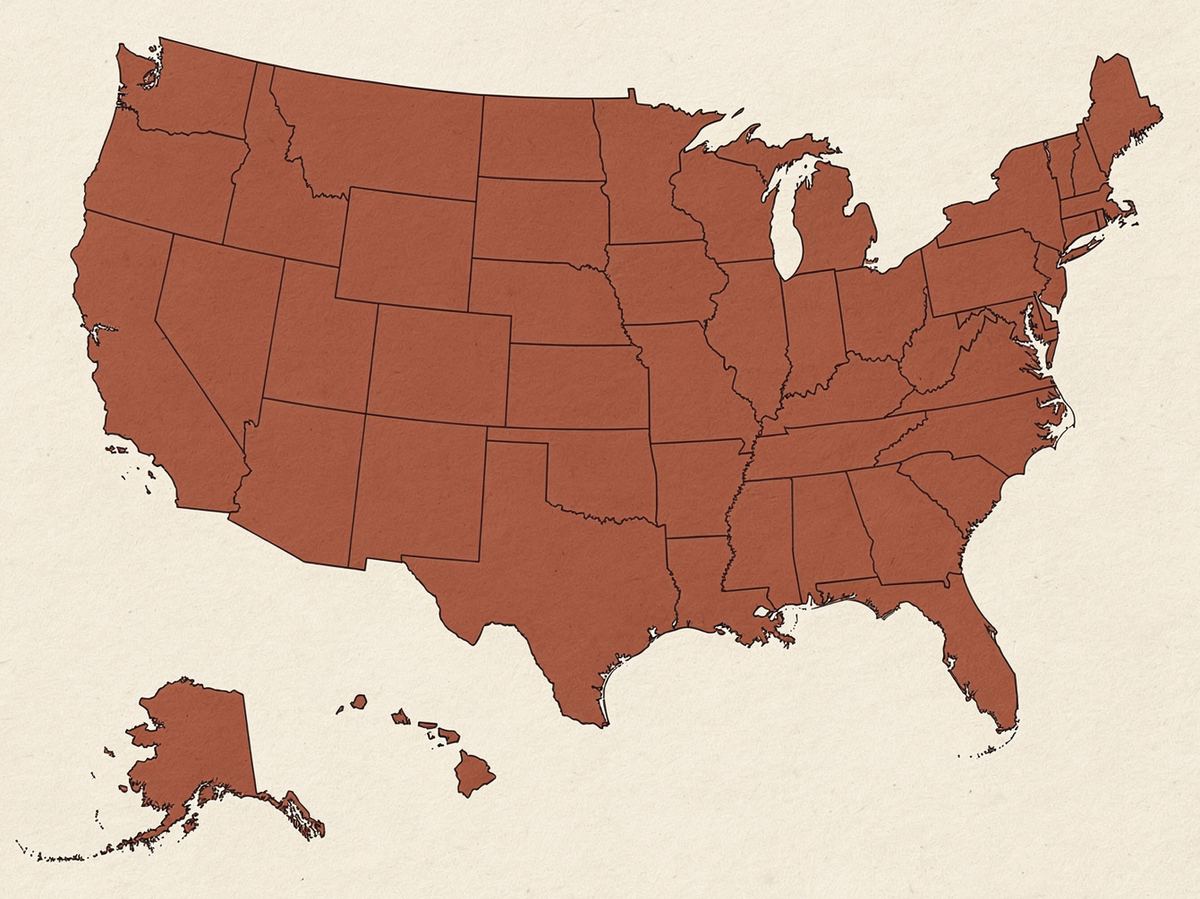
jurisdictions where each governor must approve eligible programs
After consultation with the state workforce board

The two tools

Two interactive tools that operationalize Workforce Pell at the program and state level.

Eligibility screening

Value-Added Earnings Test

Approximate the federal earnings test program by program. Adjust median earnings for regional cost of living, subtract 150% of the Federal Poverty Level, and compare the result to published tuition. Programs where value-added earnings exceed tuition pass; programs where they do not, fail.
Implementation tracking

State Readiness Tracker

Where each governor stands on standing up the approval pipeline. Status (Live / In Progress / Unknown), lead agency, last action date, and the specific bottleneck holding things up — federal rules pending, bill in committee, agency drafting guidance, public comment open. All 51 jurisdictions, anchored to primary sources.

How Workforce Pell got here

Workforce Pell was created by the Working Families Tax Cuts Act, also known as the One Big Beautiful Bill Act (H.R. 1), passed in July 2025. The law expanded Pell Grant eligibility to short-term, career-focused training programs that lead to recognized post-secondary credentials but do not lead to a degree.

Eligible programs must be 8 to 15 weeks (150 to 599 clock hours) and must prepare students for high-skill, high-wage, or in-demand sectors and occupations. States identify the eligible occupations through their Perkins state plan; governors approve specific programs after consultation with the state workforce development board; institutions then submit approved programs to the U.S. Department of Education for federal recognition.

The Department of Education released proposed implementing regulations on March 9, 2026, with a 30-day public comment period that closed April 8. Final rules are expected in May 2026. The program goes into effect July 1, 2026.

Federal source documents


Why this page exists

Workforce Pell connects three things: a federal eligibility framework, a state-by-state approval process, and an institutional decision to launch programs that take eight to fifteen weeks to deliver. Each piece needs the other two to work, and each operates on a different timeline.

This page is the index across those three pieces. The Value-Added Earnings Test approximates eligibility at the program level using the best available public data. The State Readiness Tracker follows where governors and state agencies actually are, week by week. Together they answer the questions institutions and policymakers are asking right now: which programs will qualify, and when can students enroll?

For broader context on the platform Workforce Pell sits within, including post-secondary earnings and A.I. exposure across academic programs, see About Opportunity Data.